

Looking after bones and joints with age: calcium, vitamin D and exercise

Bones look solid and unchanging, but they are constantly being built and broken down. With age this balance can shift, and bones can become thinner.
This article summarises the NHS (UK) advice on looking after your bones.
1. How bones change with age
The body builds the most bone in early adulthood, and bone mass then slowly declines. Osteoporosis is when bones become thin and fragile and break more easily. It is common in women after menopause, but older men are also at risk.
Looking after diet, exercise and risky habits now helps keep bones strong for longer.
Reference: [1] NHS
2. Which exercise is good for bones?
- Weight-bearing exercise such as brisk walking, running and dancing helps build bone density
- Resistance exercise such as weightlifting or resistance bands strengthens bones
- Adults aged 19–64 should do about 2.5 hours of moderate aerobic activity a week and muscle-strengthening on at least 2 days
- Strong muscles help support the body in everyday movement
If you have been diagnosed with osteoporosis, check with a doctor before starting a new exercise programme.
Reference: [1] NHS
Read next: Small steps in your free time: 5 easy moves, 3 times a week ›
3. Calcium and vitamin D
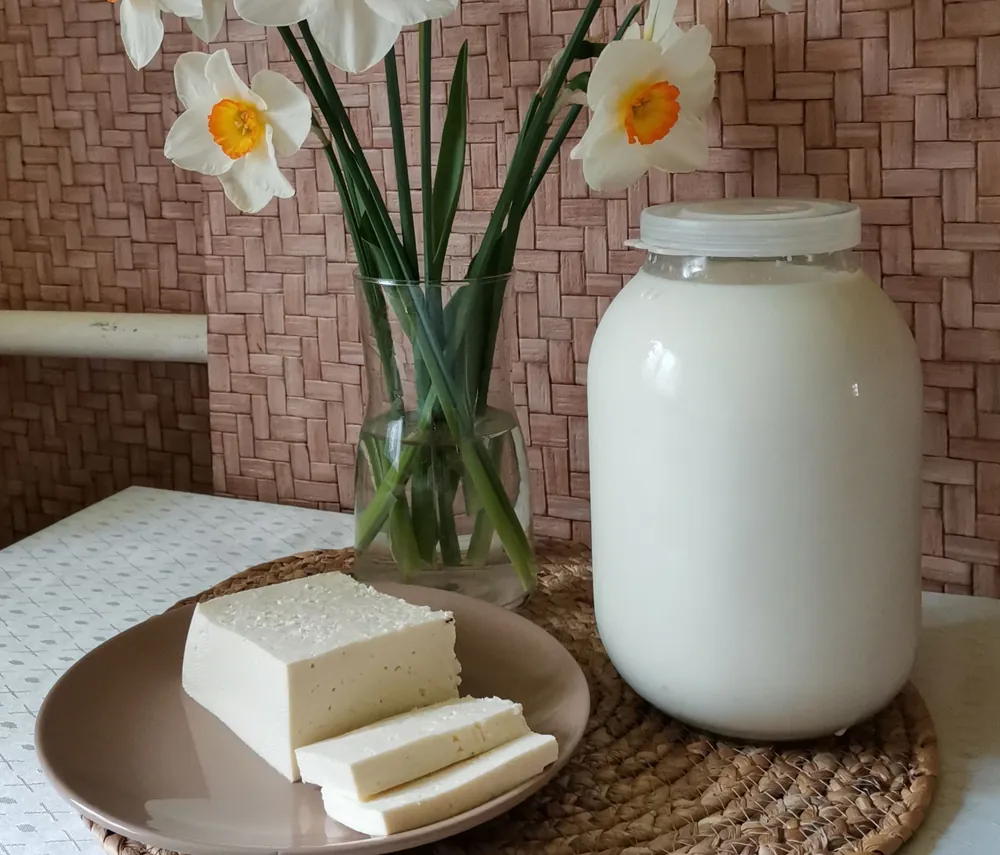
These are UK recommendations; other countries may set different values. If you can't get enough from food, ask a doctor or pharmacist before using supplements.
| Nutrient | NHS advice for adults | Food sources |
|---|---|---|
| Calcium | 700 mg a day, ideally from food | Milk and dairy, tofu, leafy greens, dried fruit |
| Vitamin D | 10 micrograms a day | Oily fish, egg yolks, liver, fortified foods and sunlight |
Reference: [1] NHS
Read next: Vitamins and minerals: why your body needs them from food every day ›
4. Habits to avoid
- Stop smoking
- Limit alcohol and avoid binge drinking
Reference: [1] NHS
Read next: Getting older? 9 everyday tips on what to eat and how to live ›
Read next: Desk workers: move, rest your eyes, exercise and eat well ›
Read next: Why weight creeps up with age, and 6 ways to manage it ›
Read next: Protein 101: what it is, how much you need and the best sources ›
This article is general information, not medical advice. If you have a medical condition, are pregnant or take medication, talk to a doctor or dietitian before changing your diet or exercise.
References
Image credits
- Cover image: Kampus Production / Pexels ↗ (opens in a new tab) · licence Pexels License ↗ (opens in a new tab)
- Image in section 3: Валерия Шкода / Pexels ↗ (opens in a new tab) · licence Pexels License ↗ (opens in a new tab)
Compiled by Well Nutrition Hub from the sources listed at the end of this article. Copyright in the referenced content, images and media belongs to the respective rights holders. You are welcome to share the link to this article.