

Protein 101: what it is, how much you need and the best sources

Protein is a nutrient your body needs every day, yet many people aren't sure how much to eat or where to get it.
This article draws on Harvard, MedlinePlus from the US National Library of Medicine, and the PROT-AGE expert group's guidance on protein for older adults.
1. What protein is
- Protein is made from twenty-plus amino acids. Nine are essential: your body can't make them, so they must come from food.
- You don't need every essential amino acid at every meal; the balance over the whole day matters more.
- Your body uses protein to repair cells and make new ones, and it is important for growth in children, teenagers and pregnant women.
- Each gram of protein provides 4 kcal.
Reference: [1] Harvard · [2] MedlinePlus
2. How much you need
Example: an adult weighing 60 kg needs at least about 48 g of protein a day, or about 60–72 g a day if over 65. Actual needs depend on age, exercise and health.
| Group | Recommended amount |
|---|---|
| Adults in general | At least 0.8 g per kilogram of body weight per day |
| Share of daily energy | 10–35% of energy; for example, on 2,000 kcal a day with 20% from protein, that is about 100 g |
| Older adults over 65 | An average of at least 1.0–1.2 g per kilogram per day |
| Older adults who exercise or are active | 1.2 g per kilogram per day or more |
Reference: [1] Harvard · [2] MedlinePlus · [3] PROT-AGE 2013
3. Where to get protein
| Source | Examples |
|---|---|
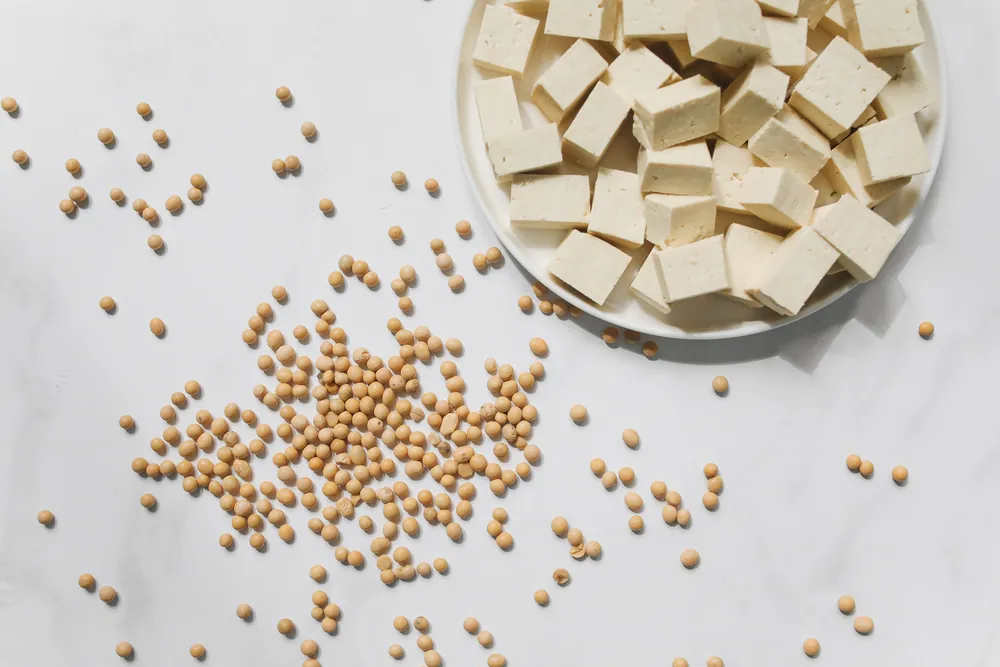
| Animal | Lean meat, poultry, fish, seafood, eggs, milk |
| Plant | Soy, tofu, tempeh, beans and pulses, nuts and seeds, nut butters, some grains such as quinoa and wheat germ |
- Animal proteins usually contain all the essential amino acids, while many plant proteins lack one or more, so people who eat mostly plants should eat a variety of protein sources.
- About 30 g of most protein-rich foods provides about 7 g of protein.
Reference: [1] Harvard · [2] MedlinePlus
4. Look at the whole "package", not just the protein figure
Protein foods come with fat, fibre, sodium and other nutrients, and these matter for health as much as the amount of protein. Replacing red and processed meat with beans, nuts, fish or poultry is linked to a lower risk of disease.
Reference: [1] Harvard
5. Protein for older adults
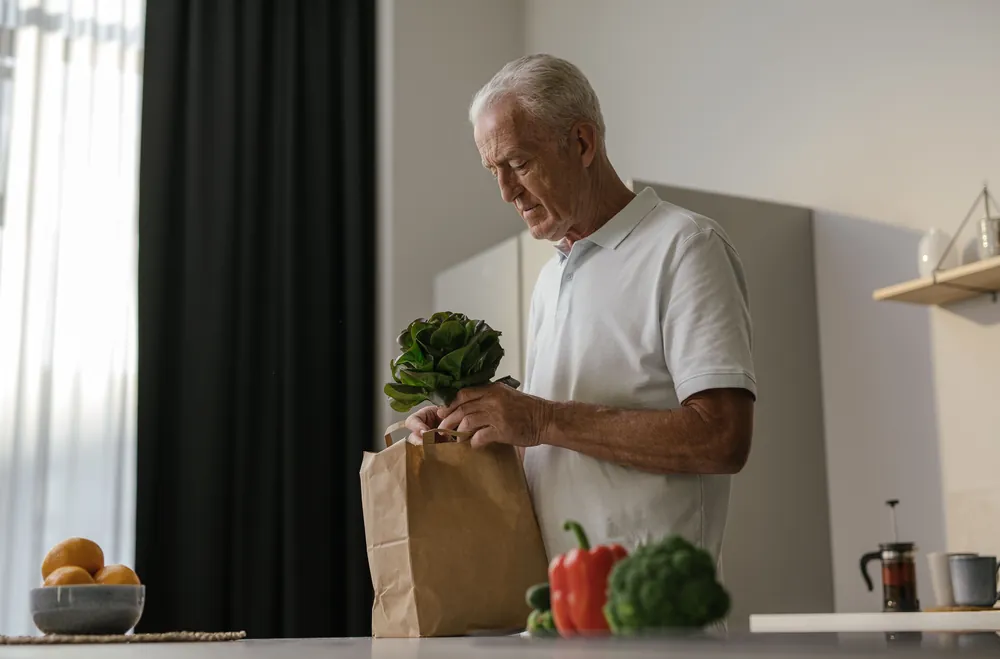
- Older adults need more protein than younger adults to maintain muscle, physical function and recovery from illness.
- The PROT-AGE expert group recommends that people over 65 get an average of at least 1.0–1.2 g of protein per kilogram per day, alongside safe levels of both endurance and resistance exercise.
- Most older adults with acute or chronic illness may need more; a doctor or dietitian should assess this.
- Older adults with severe kidney disease who are not on dialysis may need to limit protein.
Reference: [3] PROT-AGE 2013
6. Do you need lots of protein?
There's no need to go overboard on protein. High-protein diets that cut out fruit and whole grains miss out on fibre, vitamins and minerals. People with kidney or liver disease should follow their doctor's advice on protein.
Reference: [1] Harvard
Read next: How much protein per meal? Spreading it across meals and snacks ›
Read next: Why does protein matter? What it does and how to get enough every day ›
Read next: Peas, quinoa and rice: three plant protein sources to know ›
Read next: What are protein shakes, what types are there, and how do you choose? ›
Read next: Does a slow metabolism cause weight gain? Facts about how you burn energy ›
This article is general information, not medical advice. If you are pregnant, breastfeeding, have a medical condition or follow a special diet, ask a doctor or dietitian how much protein is right for you.
References
- Harvard T.H. Chan School of Public Health, The Nutrition Source: Protein (checked 15 Oct 2026) ↗ (opens in a new tab)
- MedlinePlus (US National Library of Medicine): Protein in diet (reviewed 1 Apr 2025 · checked 15 Oct 2026) ↗ (opens in a new tab)
- Bauer J, et al. Evidence-based recommendations for optimal dietary protein intake in older people: a position paper from the PROT-AGE Study Group. J Am Med Dir Assoc. 2013 ↗ (opens in a new tab)
Image credits
- Cover image: cottonbro studio / Pexels ↗ (opens in a new tab) · licence Pexels License ↗ (opens in a new tab)
- Image in section 3: Polina Tankilevitch / Pexels ↗ (opens in a new tab) · licence Pexels License ↗ (opens in a new tab)
- Image in section 5: SHVETS production / Pexels ↗ (opens in a new tab) · licence Pexels License ↗ (opens in a new tab)
Compiled by Well Nutrition Hub from the sources listed at the end of this article. Copyright in the referenced content, images and media belongs to the respective rights holders. You are welcome to share the link to this article.