

8 foods that help lower cholesterol: what the research shows and how to eat them

High LDL ("bad") cholesterol is one risk factor for heart and blood-vessel disease. Food is not the only factor, but it is the one we can adjust every day.
This article brings together eight food groups studied in systematic reviews and meta-analyses of blood lipids, with how large the effect on LDL is, the amounts used in studies, and points to watch.
1. Garlic
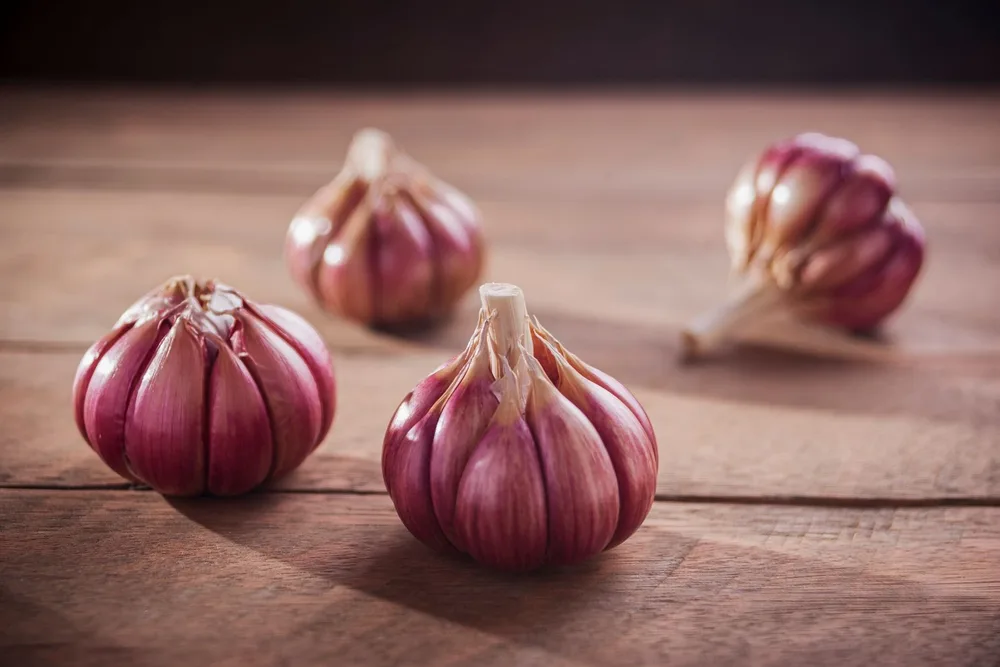
A 2013 review of 39 trials found that eating garlic or garlic extract for at least two months modestly lowered total and LDL cholesterol in people whose cholesterol was already high. People with normal levels saw less effect.
The easy way is fresh garlic in dishes you already cook, such as stir-fried vegetables, chilli dips or soups, without adding much oil.
Reference: [1] Ried 2013 (garlic)
2. Oats and whole grains
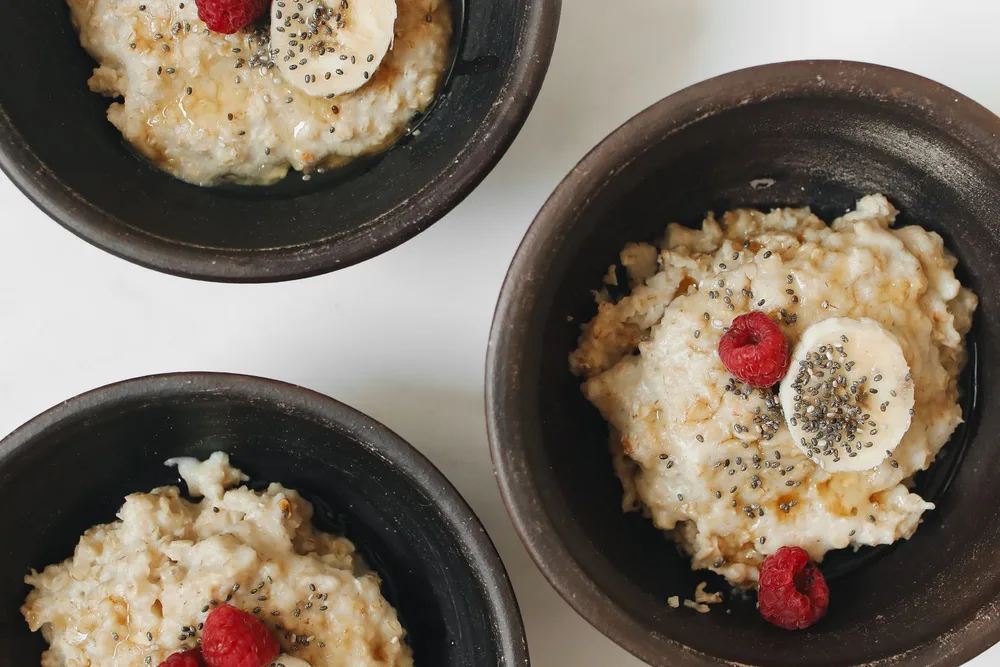
Beta-glucan, a soluble fibre in oats and barley, has some of the clearest evidence. A 2014 review of 28 trials found that at least 3 g of oat beta-glucan a day lowered LDL by about 0.25 mmol/L (roughly 10 mg/dL) on average.
About 70–80 g of rolled oats a day, or cooked barley, gives around 3 g of beta-glucan. Make it into porridge, stir into milk or yoghurt, or cook it mixed with brown rice.
Reference: [2] Whitehead 2014 (oats)
Read next: What is OatWell™? Oat beta-glucan explained ›
3. Green tea
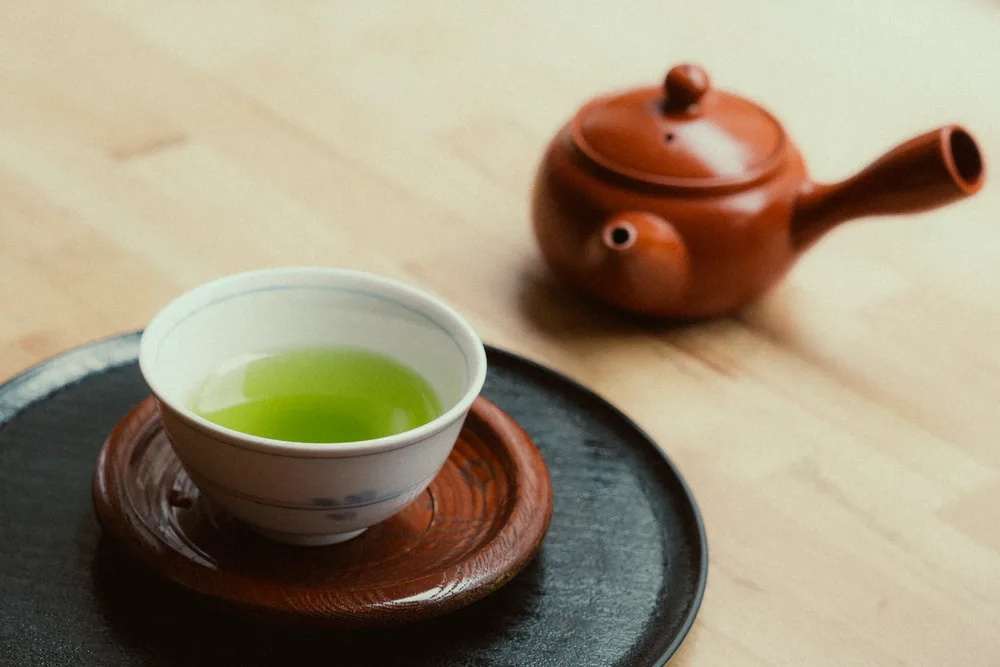
Green tea contains catechins. A 2011 review of 14 trials found that drinking green tea or taking green tea extract modestly lowered total and LDL cholesterol, with no change in HDL ("good") cholesterol.
Choose hot or iced green tea without sugar. Most bottled green teas are high in sugar, which cancels out the benefit.
Reference: [3] Zheng 2011 (green tea)
Read next: How to make instant green tea, hot or iced, plus 3 flavours to try ›
4. Fish instead of red meat
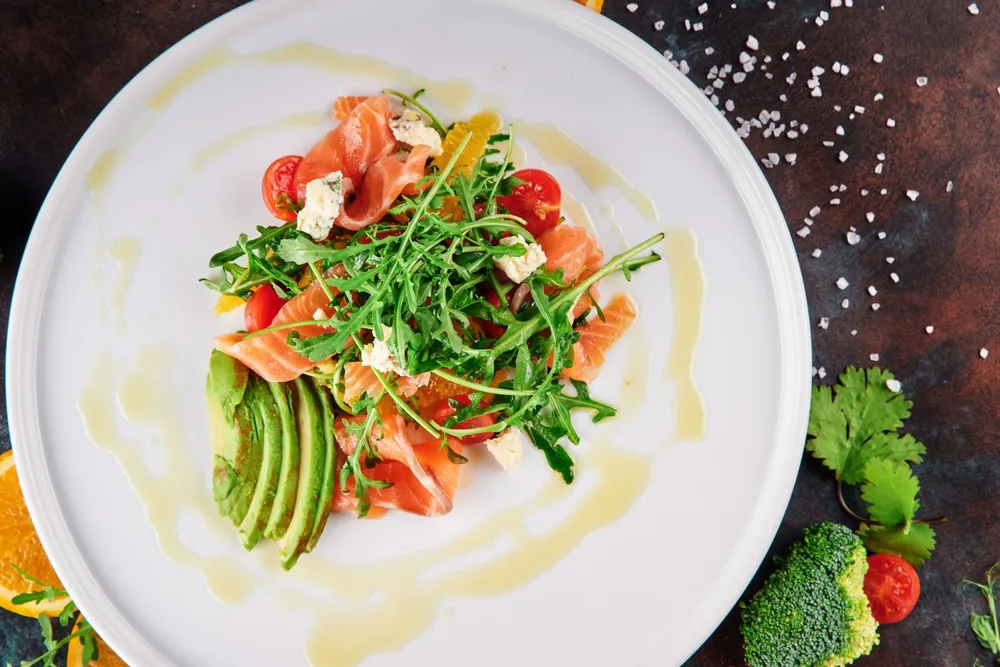
Oily sea fish such as salmon, sardines and mackerel, and Thai fish such as short mackerel (pla thu), pangasius and snakehead, provide the omega-3 fats EPA and DHA. General dietary guidance recommends fish twice a week as part of a heart-healthy diet.
Why the swap matters: a 2020 Cochrane review of 86 trials found that omega-3 supplements had little or no clear effect on death from heart disease and barely changed LDL, although they did lower triglycerides. The main benefit most likely comes from eating fish in place of red or processed meat rather than from omega-3 alone.
Steam, grill or make a soup rather than deep-frying.
Reference: [4] Cochrane 2020 (omega-3)
Read next: Omega-3 EPA and DHA: what they are and where to find them in food ›
5. Avocado
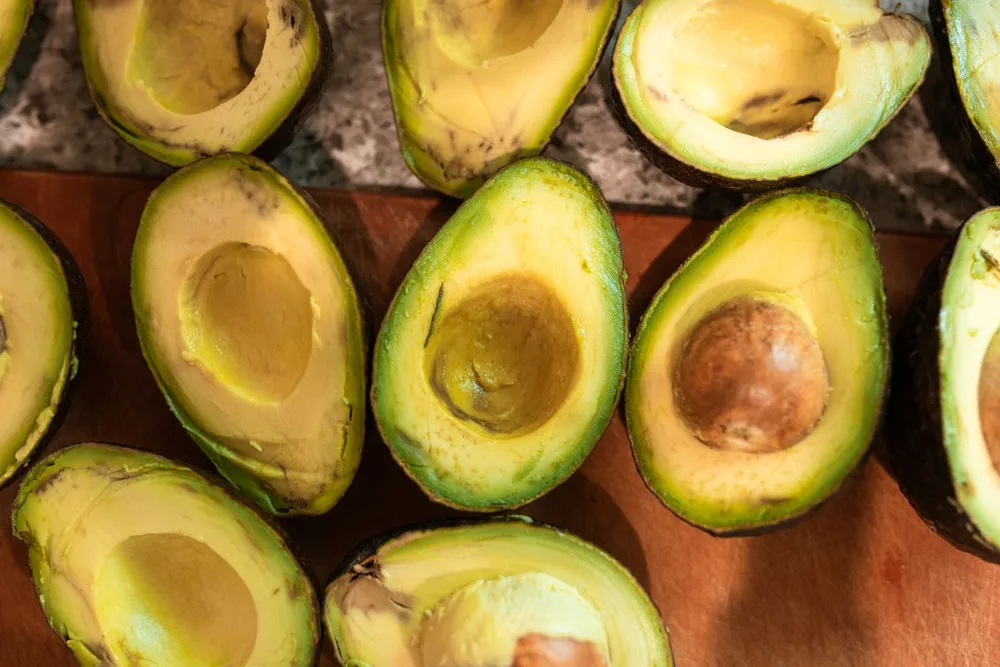
Avocado provides monounsaturated fat and fibre. A 2018 review of 10 trials found that eating avocado modestly lowered total cholesterol, LDL and triglycerides, especially when it replaced saturated fat in the meal.
Most studies used about half to one avocado a day. Avocado is fairly energy-dense, so use it in place of butter or mayonnaise rather than on top of what you already eat.
Reference: [5] Mahmassani 2018 (avocado)
Read next: Good fats, bad fats: how much you need and where to get them ›
6. Cocoa and dark chocolate
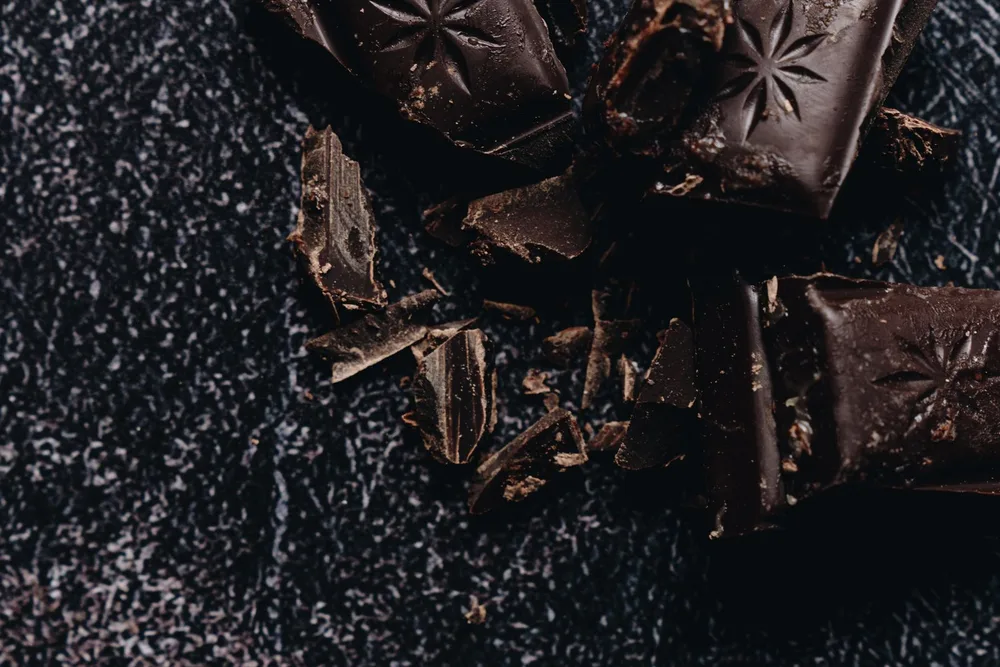
Cocoa contains flavonoids. A 2011 review of 10 short-term trials found that cocoa products and dark chocolate modestly lowered LDL, mostly in people already at risk of heart disease, and most trials lasted only 2–12 weeks.
If you eat it, choose dark chocolate with 70% cocoa or more in small amounts, one or two small squares a day, or pure cocoa powder without sugar. Milk chocolate and instant cocoa drinks are high in sugar and fat and do not count.
Reference: [6] Tokede 2011 (cocoa)
Read next: Homemade mocha ice pops and 3 chocolate gift ideas ›
7. Soy and soy foods
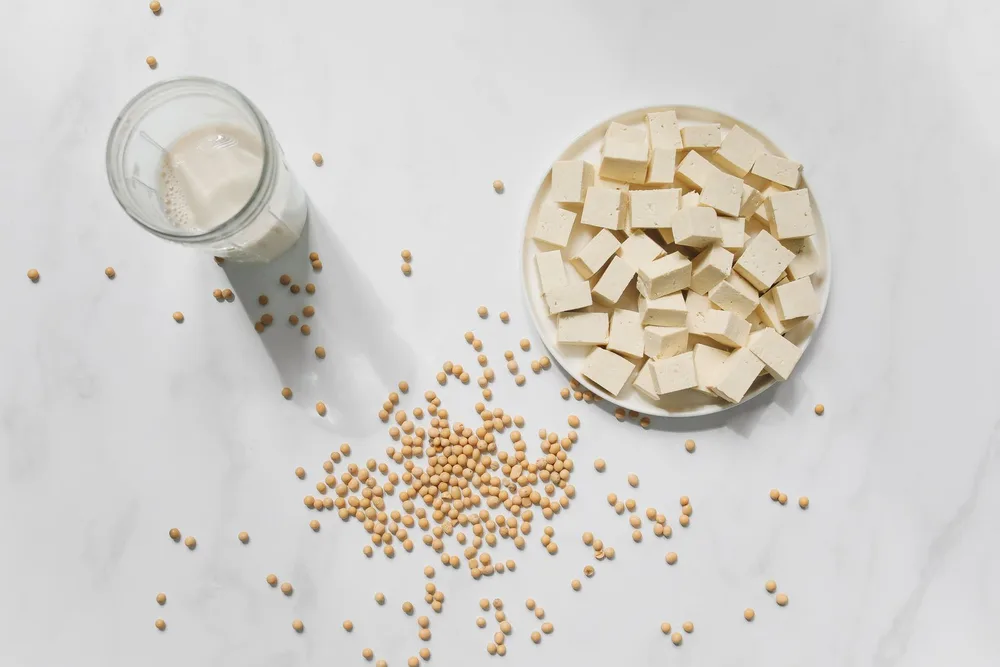
A 2019 review of 46 trials selected by the US FDA found that about 25 g of soy protein a day lowered LDL by around 3–4%. The effect is small but consistent, and clearer when soy replaces fatty animal protein.
25 g of soy protein is roughly 250–300 g of firm tofu or about three glasses of unsweetened soy milk. Edamame and tempeh count too. Choose unsweetened versions.
Reference: [7] Blanco Mejia 2019 (soy)
Read next: Plant protein: meet Protein Plus Select ›
Read next: 10 healthy breakfast ideas: enough protein, plenty of fibre, an easy start ›
8. Extra-virgin olive oil
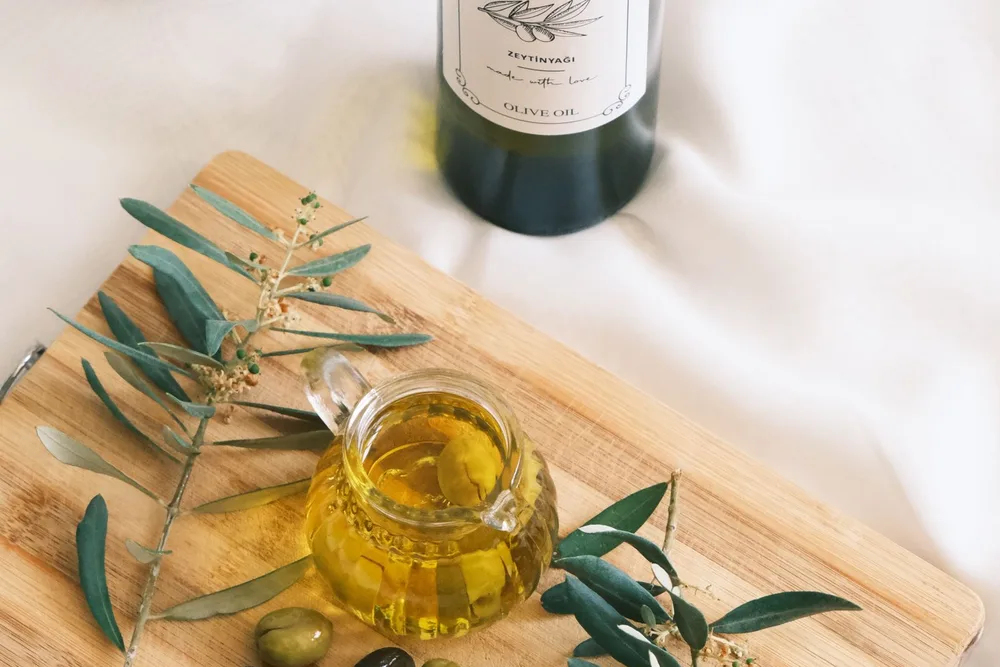
The PREDIMED trial in Spain followed more than 7,000 high-risk adults for almost five years on average. Those eating a Mediterranean diet supplemented with extra-virgin olive oil or nuts had about 30% fewer major cardiovascular events than the control group. The effect came from the whole eating pattern, not olive oil alone.
Use olive oil instead of palm oil or butter in dishes that do not need very high heat, such as medium-heat stir-fries, salad dressings or drizzled over steamed vegetables. All oils have the same calories, so it is a swap, not an addition.
Reference: [8] PREDIMED 2018 (olive oil)
Read next: Good fats, bad fats: how much you need and where to get them ›
What matters more than any single food
- Each food above lowers LDL only a little to moderately. The bigger effect comes from cutting saturated and trans fat: fatty meat, skin, pastries, re-used frying oil and large amounts of coconut milk.
- The overall pattern matters most: plenty of vegetables and fruit, whole grains, legumes, fish and good plant oils, eaten consistently every day.
- Regular exercise, a healthy weight, not smoking and enough sleep affect blood lipids and heart health as much as food does.
- If your doctor has prescribed a cholesterol-lowering medicine, do not stop it because you changed your diet. Keep up blood tests and check-ups.
- If you take blood thinners or antiplatelet medicines, talk to your doctor before taking large amounts of garlic or omega-3 as supplements.
A simple one-day example
- Breakfast: oats cooked in unsweetened soy milk, with one portion of fruit (more breakfast ideas in the article linked below)
- Lunch: brown rice, steamed or grilled short mackerel, fresh-garlic chilli dip and blanched vegetables
- Snack: unsweetened green tea with one small square of 70% dark chocolate
- Dinner: avocado salad with olive oil and lime, with grilled tofu or salmon
Adjust to what is available and your budget. Short mackerel and tofu give similar benefits to salmon and avocado at a much lower price.
Read next: What is dietary fibre? Adults should get 25 g a day ›
Read next: Fresh, frozen or canned veg — which to choose? Plus 5 cooking oils ›
Read next: Balanced nutrition: how much protein, carbohydrate and fat? ›
This article is general information, not medical advice. If you have high blood lipids, a medical condition, are pregnant or take medication, talk to your doctor or dietitian before changing your diet.
References
- Ried K, et al. Effect of garlic on serum lipids: an updated meta-analysis. Nutr Rev. 2013 ↗ (opens in a new tab)
- Whitehead A, et al. Cholesterol-lowering effects of oat β-glucan: a meta-analysis of randomized controlled trials. Am J Clin Nutr. 2014 ↗ (opens in a new tab)
- Zheng XX, et al. Green tea intake lowers fasting serum total and LDL cholesterol in adults: a meta-analysis of 14 randomized controlled trials. Am J Clin Nutr. 2011 ↗ (opens in a new tab)
- Abdelhamid AS, et al. Omega-3 fatty acids for the primary and secondary prevention of cardiovascular disease. Cochrane Database Syst Rev. 2020 ↗ (opens in a new tab)
- Mahmassani HA, et al. Avocado consumption and risk factors for heart disease: a systematic review and meta-analysis. Am J Clin Nutr. 2018 ↗ (opens in a new tab)
- Tokede OA, et al. Effects of cocoa products/dark chocolate on serum lipids: a meta-analysis. Eur J Clin Nutr. 2011 ↗ (opens in a new tab)
- Blanco Mejia S, et al. A meta-analysis of 46 studies identified by the FDA demonstrates that soy protein decreases circulating LDL and total cholesterol concentrations in adults. J Nutr. 2019 ↗ (opens in a new tab)
- Estruch R, et al. Primary prevention of cardiovascular disease with a Mediterranean diet supplemented with extra-virgin olive oil or nuts (PREDIMED). N Engl J Med. 2018 ↗ (opens in a new tab)
Image credits
- Image in section 1: Marcelo Verfe / Pexels ↗ (opens in a new tab) · licence Pexels License ↗ (opens in a new tab)
- Image in section 2: Polina Tankilevitch / Pexels ↗ (opens in a new tab) · licence Pexels License ↗ (opens in a new tab)
- Image in section 3: Anh Nguyen / Pexels ↗ (opens in a new tab) · licence Pexels License ↗ (opens in a new tab)
- Image in section 4: Kiro Wang / Pexels ↗ (opens in a new tab) · licence Pexels License ↗ (opens in a new tab)
- Image in section 5: RDNE Stock project / Pexels ↗ (opens in a new tab) · licence Pexels License ↗ (opens in a new tab)
- Image in section 6: alleksana / Pexels ↗ (opens in a new tab) · licence Pexels License ↗ (opens in a new tab)
- Image in section 7: Polina Tankilevitch / Pexels ↗ (opens in a new tab) · licence Pexels License ↗ (opens in a new tab)
- Image in section 8: Rahime Gül / Pexels ↗ (opens in a new tab) · licence Pexels License ↗ (opens in a new tab)
Herbalife products are not intended to diagnose, treat, cure or prevent any disease.
Compiled by Well Nutrition Hub from the sources listed at the end of this article. Copyright in the referenced content, images and media belongs to the respective rights holders. You are welcome to share the link to this article.